DB Dixon Batteries: Powering India’s Automotive Future

In a country where every journey tells a story, power is what keeps the wheels turning. From the narrow lanes of Hyderabad to the long highways stretching across states, vehicles depend on a single, quiet source of energy — the battery. And when it comes to building batteries that can handle India’s roads, weather, and expectations, DB Dixon Batteries has carved its place as a trusted name among automotive battery manufacturers in India.

The Heart of Every Vehicle

Have you ever walked into a workshop or service station, you probably overheard mention of one name on more than a few occasions DB Dixon,one of the leading automotive battery manufacturers in India.

The company has dedicated several years to developing its automotive series to address the day to day requirements of Indian drivers. However, what is stunning about DB Dixon is not only the technology, but the thinking behind it. Each vehicle category is given its own specific power solution — be it a bike, car, e-rickshaw, tractor, or a truck.

When it comes to the two-wheeled category, the importance of the First Crank is paramount to most bikers. DB Dixon’s, one of the leading automotive battery manufacturers in India as their Two-wheeler batteries have more than enough power to deliver the First Crank, insuring not only easy ignition, but a longer backup power reserve with minimal service hence is beginning to be recognized as one of the best two-wheeler battery manufacturers in India. 

For cars and trucks, the demand for power is higher and the conditions are notoriously harder in comparison to two-wheelers. DB Dixon’s automotive range has battery options that will continue to offer reliable power for long hauls (outperforming any competitors in any single-field) on rough roads and in temperature extremes regardless of the conditions.

DB Dixon Automotive Batteries Built the Indian Way

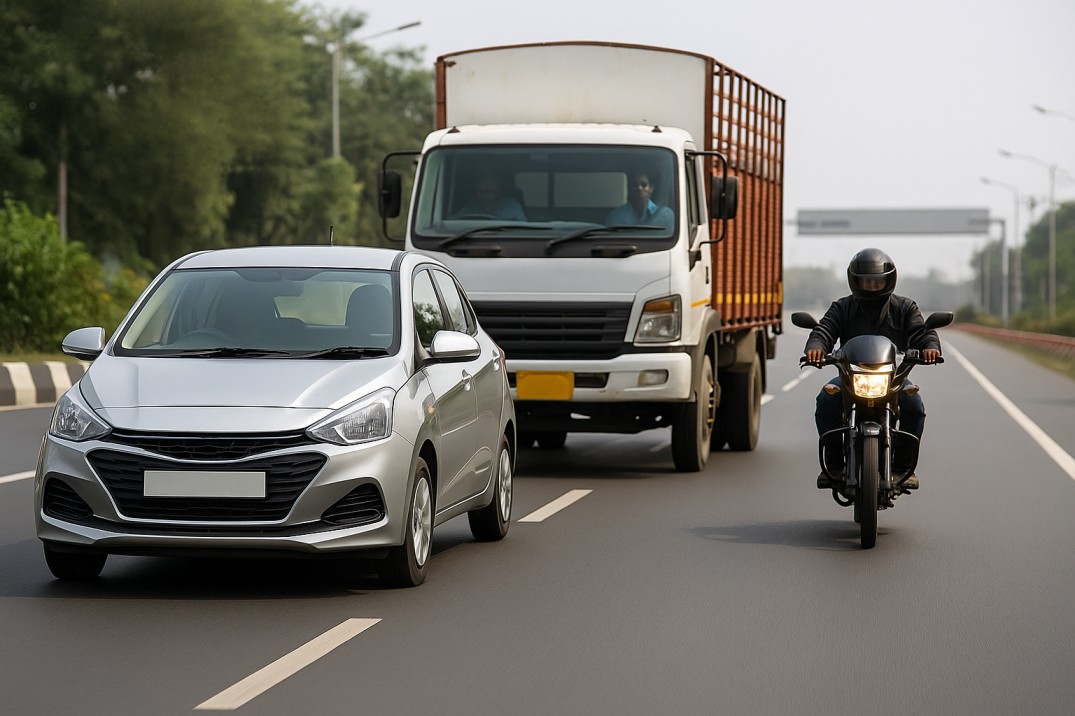
The roads in India can be punishing with extreme heat, monsoon rains, dust and bumps in almost every vehicle. That is why DB Dixon, one of the leading automotive battery manufacturers in India. exacts an engineering and product building process that takes those conditions into account. Its in-house R&D division ensures that each battery passes through an extensive real life test before a product ever is on a shelf. Batteries with the latest lead-acid and hybrid technology offer greater efficiencies, longer life and much less maintenance.

Despite all this, at the core of its business is reliability and trust. As one of the leading automotive battery suppliers in Hyderabad, DB Dixon ensures that its extensive network of distributors benefits from fast delivery, technical training and full marketing support. For reps, it means ease of operations, and for customers, it means peace of mind it will start every time.

Innovation Beyond the Road

While the automotive sector remains its most lucrative area of business, DB Dixon has diversified into solar and inverter batteries as part of its expansion to cleaner and sustainable energy. The solar battery production arm of the business continues to grow and offers backup energy solutions to homes and small businesses.

The Power That Keeps India Moving

DB Dixon, one of the leading automotive battery manufacturers in India is exceptional because there is one thing you can count on; the battery will not let you down when you really need it. Each product carries with it a simple assurance; to provide energy you can depend on for the roads in India. 

Whether you are powering your delivery bike; keeping tractors on fields; or keeping trucks moving on highways, DB Dixon Batteries will keep India moving forward – one engine, one battery, and one start at a time.

Choose DB Dixon Batteries — where innovation meets endurance, and every journey begins with trust.

The Heart of Your Inverter: Understanding Its Key Parts

An inverter battery is an essential element for inverter functioning. It stores energy, allowing the inverter to convert DC (direct current) to AC (alternating current). This supplies electric flow for household and business consumption at the time of outage. In this blog, let us understand the different components that make a battery.

Types of Battery

Traditionally, batteries are grouped under two heads: Rechargeable (secondary) and non-rechargeable (primary). Primary batteries are used until their voltage drops, then discarded. Secondary batteries can be recharged due to their unique designs and materials. For instance lead acid batteries, Lithium-Ion Inverter Batteries.

Composition of Inverter Batteries

Inverter batteries, including lead-acid, lithium-ion, and NiCd (Nickel-Cadmium), have key components. Let’s look at the components of a battery.

1. Lead-Acid Inverter Batteries

Positive Plates: Lead Dioxide (PbO₂)

Negative Plates: Sponge Lead (Pb)

Electrolyte: Sulfuric Acid (H₂SO₄)

Separators: Polyethylene or Glass Mat

Container: Polypropylene Case

Terminals: Lead or Copper-Alloy

Vents: Pressure-release valves for flooded types

2. Lithium-Ion Inverter Batteries

Cathode: Lithium Iron Phosphate (LiFePO₄) or Lithium Nickel Manganese Cobalt (NMC)

Anode: Graphite or Carbon

Electrolyte: Lithium Salt in Organic Solvent

Separator: Polyolefin Membrane

Battery Management System (BMS): Electronic Circuit Board

Housing: Aluminum or Plastic

Terminals: Copper or Aluminum

3. NiCd Inverter Batteries

Positive Electrode: Nickel Oxide Hydroxide (NiOOH)

Negative Electrode: Cadmium (Cd)

Electrolyte: Alkaline Solution (Potassium Hydroxide, KOH)

Separator: Nylon or Polypropylene

Container: Durable Plastic or Steel

Terminals: Nickel-Plated Steel or Copper

Vent System: Pressure-Relief Valves for gas release

KEY FEATURES OF INVERTER BATTERY

1. LONG BACKUP HOURS: High capacity inverter battery provides long backup hours and hence is long lasting during power outage It minimizes total load

Backup Time (hours) = ((Battery Capacity (Ah) × Battery Voltage (V)) × Efficiency) / Load 

2. LOW MAINTENANCE: New batteries, such as tubular lead-acid varieties, require fewer water checks, making them effortless and economical

3. DURABLE (LONG LIFE): Inverter batteries are created to last. Lithium-ion batteries have the longest lifespan and wear off well, rendering them pocket friendly

Benefits of a Good Inverter Battery

1. Reliable Power Backup: a good quality and modern inverter battery can last upto 10 hours ,Keeps lights and Wi-Fi on for 4-8 hours during outages. This is critical in areas with frequent power cuts.

2. Eco-Friendly Performance: Supports solar storage, reducing grid reliance and emissions by 50-70%. Recyclable materials (upto 95% for lead-acid) , more towards sustainable approach

 Maintance of Batteries

Usually the modern batteries does not requires much  maintenance as such yet few safeguard to ensure batteries durability and safety, Inverter batteries are easy to maintain, but here are tips to extend their lifespan:

Keep the battery in a well-ventilated area.

Clean terminals regularly.

Avoid deep discharges to prolong battery life.

Keep it dry away from any moisture prolong batteries lifespan

Why Choosing a Good Battery is Important

A quality inverter battery is required for assured power backup. Quality at one shot is a one-time expense, which may last for 15 years. It saves money and encourages green living. A strong battery provides constant electricity during power cuts to households and companies. The right battery selection is important for constant power in the energy scenario in 2025.

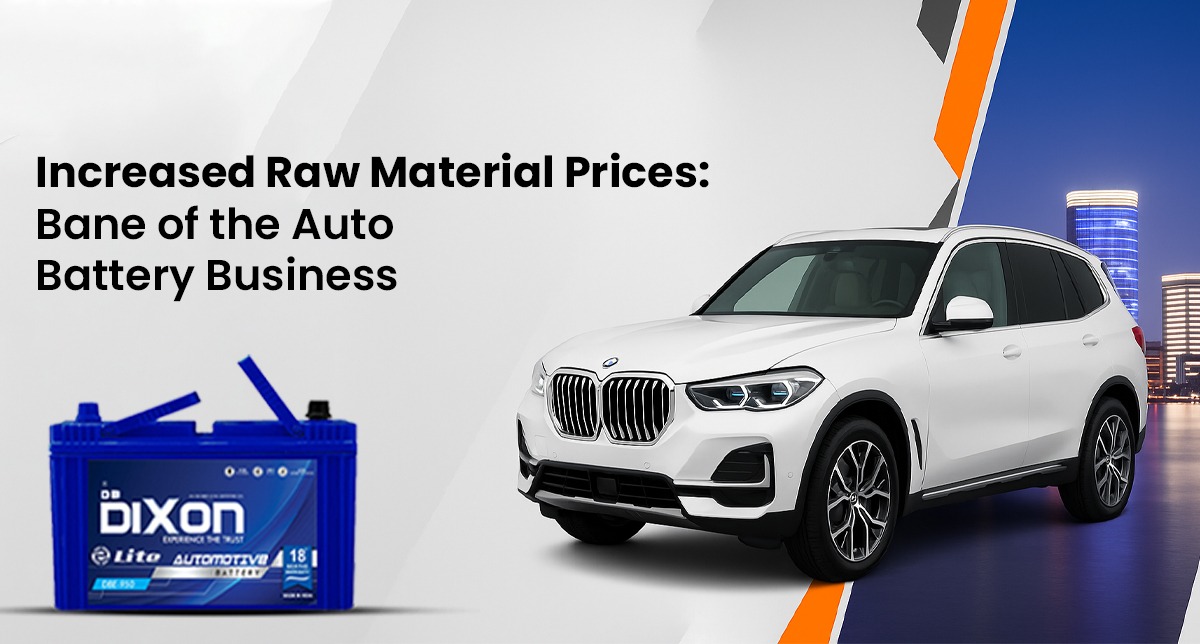
Increased Raw Material Prices: Bane of the Auto Battery Business

The automotive battery sector stands at a watershed moment. While car demand and, particularly, electric vehicle (EV) demand is soaring, manufacturers are confronted with the shadow loom: increasing raw material costs. Central inputs such as lithium, cobalt, nickel, and lead are hitting new highs on account of worldwide demand, supply chain imbalance, and geopolitical tensions. Such price volatilities of these input materials dictate in large part firms such as DB Dixon auto battery, which dictate manufacturing policy, pricing, and sustained competitiveness.

Why Raw Materials Prices Are Increasing

Spiking Demand for Lithium and Cobalt

Lithium and cobalt are key components of lithium-ion batteries that drive most modern EVs. With the global EV market on the move, demand for the two materials exceeded supply, driving prices upward.

Price Volatility in Lead

Not even conventional lead-acid battery makers are immune. Lead prices fluctuate because of rising global demand, mining limits, and trade controls.

Cost Control 

Cost control is essential for DB Dixon car battery. Stable and low-cost raw materials for maintaining product quality come without luxurious price increases.

Impact on the Car Battery Industry

Price increases in raw materials reverberate throughout the supply chain:

  • Manufacturers have reduced profit margins.
  • Customers may have to pay more to replace batteries or own an EV.
  • Supply chains become more susceptible, dealing with shipping delays, trade controls, and supplier uncertainty.

Despite this, DB Dixon automotive battery remains committed to value and excellence—offering batteries that are trusted by customers without compromise.

How Manufacturers Are Reacting

To counter raw material volatility, battery makers are taking action:

  1. Recycling & Reuse: Recycling metals from retired batteries in a bid to minimize dependence on newly mined materials.
  1. Sourcing Diversification: Local disruptions can be minimized by gathering suppliers from different regions.
  1. Emerging Technologies: Investment in solid-state batteries or other rare material chemistries 

DB Dixon automotive battery is currently exploring and putting these measures into practice—resilience, sustainability, and performance is assured despite market fluctuations.

The Road Ahead for DB Dixon Automotive Battery

With the increased costs of raw materials is a serious issue, as costs stimulates the innovation and efficiency in the industry. DB Dixon automotive battery is vividly investing in research and development, sustainable sourcing, and circular economy to stay one step ahead of challenges. Despite material market fluctuations, customers continue to rely on DB Dixon for superior performance, longer life, and innovative battery solutions.

CTA

Looking for a long-lasting, dependable battery solution? Visit https://www.dbdixonbattery.com/ to check out our products from DB Dixon automotive battery.

FAQs

Q1. Why is raw material cost increasing in the battery market?

Rapid increase in demand from the corners of world, narrow supply lines, and uncertain geopolitics leads to increased raw material costs.

Q2. How does this affect DB Dixon automotive battery customers?

Despite potential pressures on prices, DB Dixon provides consistent value and quality.

Q3. Can recycling minimize the effect of increases in raw material costs?

Yes — by recycling valuable materials, dependency on new mining is reduced.

Q4. How is DB Dixon automotive battery reacting to these challenges?

DB Dixon automotive battery are investing in research and development with more innovation, diversified sourcing, and ecological practice.

Global Automotive Battery Market Trends 2025

The automotive battery sector is in the phase of a revolution. The market in 2025, driven by booming EV demand, toughened emission regulations, and fast-paced technological developments. All these changes are impacting manufacturers, investors, and buyers alike, as well as transforming global supply chains.

The Transition from Lead-Acid to Lithium-Ion

Lead-acid batteries dominated for decades, particularly in conventional internal-combustion cars. But as energy density, charge efficiency, and cycle life have become paramount issues, lithium-ion batteries are fast emerging as the norm for both hybrid and electric cars.

The move mirrors consumer desire for durable, long-term solutions. Most auto companies are now dropping outdated technologies and designing new platforms from scratch around lithium-ion cells.

Regulatory Push & Government Incentives

Across the globe, governments are imposing tougher carbon emissions rules and providing incentives for EV uptake. These types of shifts in policy leads to cleaner mobility providing a direct fillip to the automotive battery sector.

Even nations such as India are establishing EV sales targets and providing subsidies, and these directly favor battery manufacturers. Such initiatives are making EVs penetrate faster into personal and commercial vehicle segments.

Innovation & Technology Trends

2025 will be a breakthrough year for battery technology. Solid-state batteries, with improved safety, quicker charging, and improved energy density, are on the horizon as the next big leap. Concurrently, advancements in battery management systems, thermal management, and cell chemistry will drive automotive battery performance upward.

Automotive manufacturers are already spending billions on R&D to commercialize these technologies. That translates to customers soon having vehicles that take only minutes to charge, that have longer service life, and which function optimally under extreme conditions.

Supply Chain & Raw Material Dynamics

One of the greatest deterrents to growth is the increasing cost and volatility of raw materials—lithium, cobalt, nickel, and rare earths. As demand rises, so does the cost of materials. In response to this, many auto battery companies are gambling on recycling, replacement materials, and more resilient supply chains.

Global trade tensions and shipping disruptions also highlighted the need for manufacturing closer to home. Factory makers are thinking about regional factories to reduce dependence on distant suppliers.

Market Outlook & Consumer Impact

The automotive battery market will be more efficient, sustainable, and competitive by 2025. Consumers will experience longer-lasting batteries, faster charging, and more affordability. Automakers and battery makers must continue to innovate in order to stay ahead.

For customers, it means more choice, from high-end high-capacity batteries to green ones. Overall, the industry’s growth is harmonious with a cleaner, greener future of mobility.

CTA

Need professional advice or want to choose a suitable battery? Visit https://www.dbdixonbattery.com/ and get in touch with us.

FAQs

Q1. What is propelling the automotive battery market growth in 2025?

EV adoption, stricter emissions policies, and ongoing battery improvement are key drivers.

Q2. Is lithium-ion going to put lead-acid batteries out of business?

Lithium-ion will dominate EVs, and lead-acid can remain in low-cost and backup segments.

Q3. How important is recycling to this business?

Recycling reduces raw material dependency and makes the business greener.

Q4. Are solid-state batteries the future automotive batteries?

Yes — they provide better performance, safety, and efficiency than current lithium-ion technology.