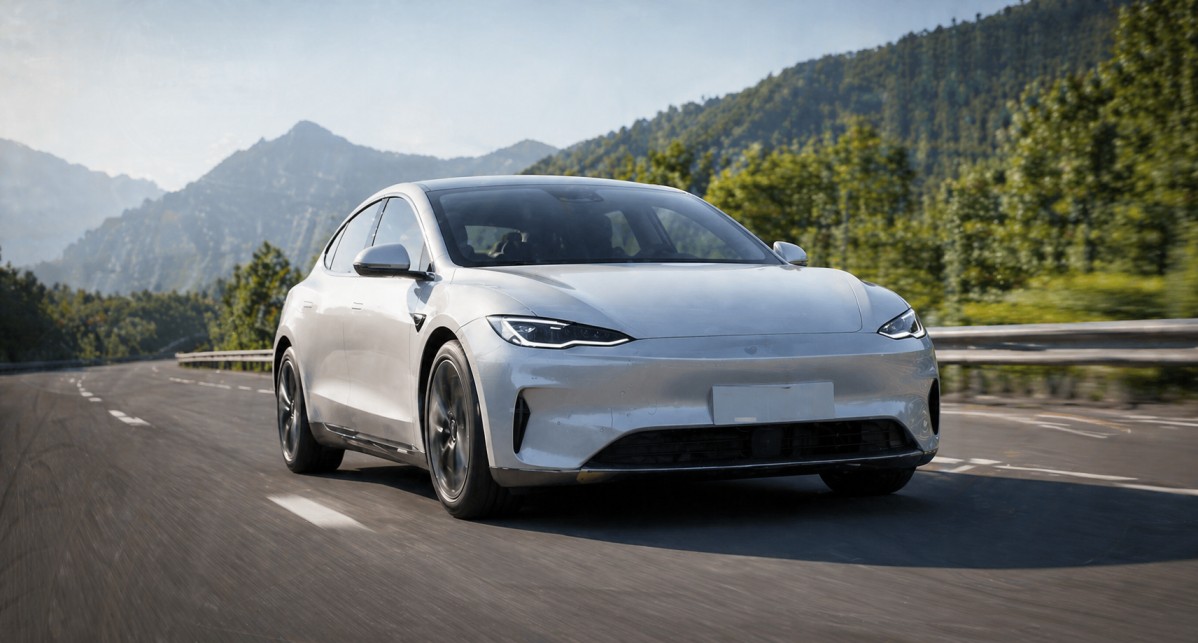
The automotive world is clearly moving toward electrification but the real bottleneck isn’t the car, it’s the battery. Every serious automotive battery manufacturer is trying to solve the same three problems: range, charging time, and cost. DB Dixon is working in that same space, but here’s the honest reality this industry isn’t evolving in one straight line. It’s messy, competitive, and full of trade-offs.
Let’s break down what’s actually happening beneath all the marketing noise.
1. Lithium-Ion Isn’t Going Anywhere
Everyone talks about “next-gen batteries,” but lithium-ion is still doing most of the heavy lifting and for good reason.
It hits a practical sweet spot:
- High energy density
- Decent lifespan
- Proven supply chains
That’s why it’s still the backbone of EVs today. Most lithium-ion packs can handle 1,500–2,000 charge cycles before noticeable degradation, and some chemistries like LFP go even further.
What’s changing isn’t the core chemistry it’s the refinement. Manufacturers (including DB Dixon) are tweaking:
- Cathode materials
- Silicon-based anodes
- Thermal behavior
These small upgrades add up. Better range, slightly faster charging, less degradation over time. Not revolutionary, but very real progress.
2. Fast Charging Is Becoming a Real Competitive Weapon
This is where things are getting aggressive.
Recent battery developments show charging speeds that would’ve sounded unrealistic a few years ago. Some new systems can push from 10% to ~80% in just a few minutes under ideal conditions.
But here’s the catch no one highlights:
- These speeds depend heavily on charging infrastructure
- Heat management becomes a serious engineering problem
- Faster charging can accelerate battery wear if not controlled properly
So it’s not just about making batteries charge faster it’s about controlling the side effects. That’s where serious engineering (and good battery management systems) matters more than flashy numbers.
3. Solid-State Batteries
Solid-state batteries get hyped as the “future,” and technically, that’s not wrong.
They can:
- Increase energy density by 20–50% or more
- Improve safety (no flammable liquid electrolytes)
- Potentially last longer
Sounds perfect until you look at manufacturing.
Right now:
- Scaling production is difficult
- Costs are high
- Material stability is still being solved
Even optimistic projections suggest they won’t dominate the market until the next decade.
So yes, DB Dixon (like others) is watching this space but lithium-ion will still be the main player for years.
4. The Real Innovation Is Inside the Battery (Not Just the Battery Itself)
A lot of people overlook this: modern batteries are as much software-driven as they are chemical.
Battery Management Systems (BMS) are becoming a major differentiator:
- They control charging speed
- Prevent overheating
- Balance individual cells
- Extend usable life
The challenge? Most systems still operate in silos and don’t fully optimize real-world usage conditions.
This is where manufacturers like DB Dixon can actually stand out not by inventing a new battery overnight, but by making existing ones smarter and more reliable.
5. New Chemistries Are Coming But Each Has a Trade-Off
Beyond lithium-ion and solid-state, there’s a wave of alternatives:
- Sodium-ion → cheaper, more abundant, but lower energy density
- Lithium-sulfur → higher theoretical capacity, but still unstable
- Silicon-anode batteries → better storage, but expansion issues
No single chemistry “wins” yet. Each one solves one problem and creates another.
For example, sodium-ion batteries are gaining attention because they’re cheaper and safer but they currently don’t deliver the range needed for premium EVs.
So the future isn’t one battery type replacing everything, it’s a mix, depending on use case.
6. Sustainability Is No Longer Optional
Battery production has a dirty side: mining, resource extraction, and recycling challenges.
The industry is moving toward:
- Closed-loop recycling
- Second-life battery use (e.g., energy storage)
- Reduced reliance on rare materials
But this isn’t fully solved. Not even close.
Most recycling systems still struggle with cost efficiency, and material recovery isn’t perfect yet. Still, it’s improving and any serious automotive battery manufacturer has to factor this into long-term strategy.
Where DB Dixon Fits Into This
If every hype word is removed and we just see from importance a company must:
- Improve what works currently being the li-ion batteries
- Prepare for what might work (solid-state, new chemistries)
- Optimize performance through engineering, not just more expensive raw material
- And lastly Stay competitive on cost without cutting and be just as reliable
A battery shouldn’t just be good enough, it should be what people can count on.
DB Dixon is an automotive battery manufacturer that prioritizes its consumers before personal gains.