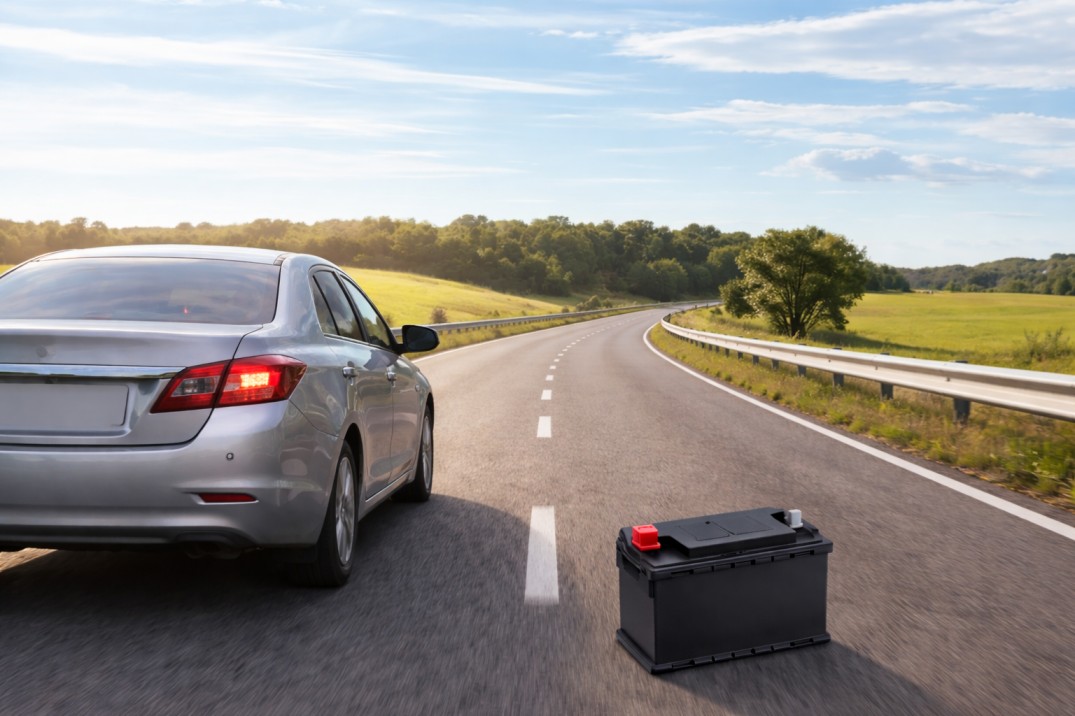
Long Trips vs Short Trips. What Is Better for Battery Health?

Your car battery works quietly in the background. You do not think about it much until one day the car does not start. Then it suddenly becomes very important. Many car owners ask a simple question. Are long trips better for battery health or short trips? The answer is not very complicated. But it is something every driver should understand. At DB Dixon, we speak to many vehicle owners about battery care. As an experienced automotive battery manufacturer, we have seen how driving habits affect battery life.

What happens during short trips

Short trips mean driving for 5 to 15 minutes. When you start your car, the battery sends a large burst of power to the engine. This uses a good amount of charge. After the engine starts, the alternator begins to recharge the battery.

But here is the catch. If the trip is too short, the battery may not get enough time to fully recharge. So it slowly stays undercharged. 

If this happens often, the battery becomes weak over time. It struggles to hold charge. This is one of the common reasons cars fail to start in the morning. 

What happens during long trips

Long trips are usually 30 minutes or more. Highway drives are a good example. During a longer drive, the alternator gets enough time to recharge the battery properly. The battery reaches a healthy charge level. This helps maintain its strength. Long drives also reduce the chances of buildup on battery plates. That helps in better performance.

Being an experienced automotive battery manufacturer, we offer long lasting batteries that perform well in tough conditions. 

Does that mean short trips are bad?

Not exactly. Short trips are part of daily life. You cannot avoid them. But balance is important. If your driving routine includes mostly short distances, try to take your car for a slightly longer drive once in a while. Even a 30 minute drive once a week can help recharge the battery properly.

Also avoid keeping lights, music systems, or AC running when the engine is off. That drains the battery quickly. A trusted Automotive battery manufacturer always designs batteries to handle real life conditions. At DB Dixon, our batteries are built for city traffic as well as highway runs.

Other factors that affect battery health

Driving style is one factor. But there are others too.

Extreme heat can reduce battery life. Very cold weather can also slow down performance. Loose connections and poor maintenance also create problems. Regular checks help a lot. Make sure battery terminals are clean. Ensure cables are tight. Replace old batteries on time.

As a responsible automotive battery manufacturer, DB Dixon focuses on quality materials and strong build. But even the best battery needs proper care.

So what is better?

In simple words, long trips are better for battery health. They allow full charging and stable performance. But that does not mean short trips will destroy your battery. Understand how your driving pattern affects your car. Make small changes where possible.

DB Dixon, as a trusted automotive battery manufacturer, believes that good batteries and smart driving together give the best results.
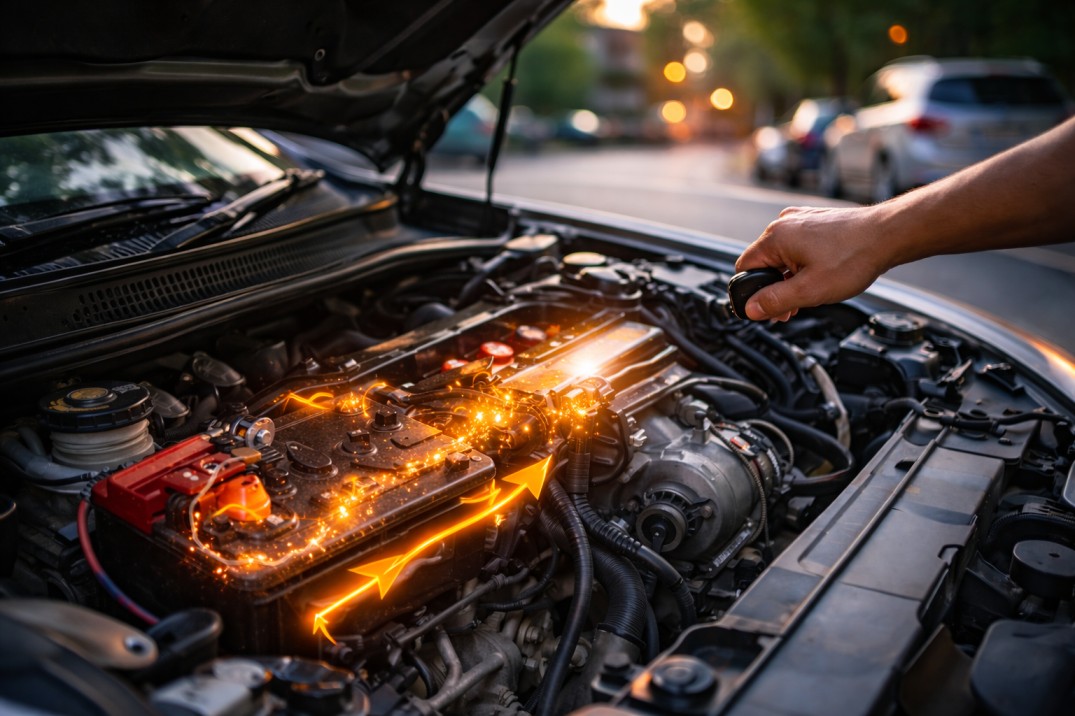
What happens inside a car battery when you start the engine

Most people do not think about the battery when they start the car. When the key is pressed, the engine is expected to start. When it does not, only then the battery comes to mind. But inside that battery, a lot happens in a few seconds. In this blog by DB Dixon, trusted Automotive Battery Manufacturer, we are going to understand this in detail.

Inside a car battery: What happens the moment you start

The moment you try to start the car, the battery starts working. It does not work slowly. It has to act at once. Power flows out to the starter motor. At the same time, electricity goes to the ignition system and fuel supply. All these parts need power together.

1. Inside the battery cells chemical reactions begin

Inside the battery, there are cells filled with plates and liquid. When you start the engine, a chemical reaction begins inside these cells. This reaction creates electrical energy. It sounds complex, but it happens naturally. Strong batteries react fast. Weak batteries react late. This is where the quality built by a dependable automotive battery manufacturer shows up in daily use.

2. Power flows to the starter motor

The starter motor is the biggest power user at this moment. It needs a strong push to turn the engine for the first time. The battery gives this push. Once the engine starts running on its own, the battery can relax a little. If the battery cannot give enough power, you hear a click or slow cranking sound. That is often the first warning sign.

3. Alternator takes over

After the engine starts, the job of the battery changes. Now the alternator takes over and supplies power to the car systems. Lights, music system, and dashboard all run on alternator power. At the same time, the battery starts charging again. This charging and discharging happens every single drive. A well built battery handles this daily routine without stress. DB Dixon designs batteries with this cycle in mind, just like a careful automotive battery manufacturer should.

Why weak batteries struggle at startup

Over time, batteries start to weaken. Plates inside slowly wear down. Heat, traffic, and short trips speed this up. Short drives do not give enough time for full charging. Slowly, the battery loses strength. Starting the engine becomes harder, especially in extreme weather. This is common, and it is part of battery life.

Importance of choosing the right battery

Not all batteries handle this wear in the same way. Some fail early. Others last longer and stay reliable. The difference comes from internal build, material quality, and testing. As a trusted automotive battery manufacturer, DB Dixon tests batteries for repeated starts, vibration, and rough road use.

City driving adds extra load. Frequent stops mean frequent starts. Long parking gaps also affect battery health. A battery must be ready even after sitting unused. DB Dixon batteries are built keeping these habits in mind, not just lab conditions. That is what separates a serious Automotive Battery Manufacturer from the rest.

FAQs

Q. Why does starting the engine need so much battery power
The engine is heavy and needs a strong push to start moving.

Q. Does the battery stop working after the engine starts
No. It keeps supporting systems and gets charged at the same time.

Q. Why does my car start slowly sometimes
Heat, cold, or battery age can slow down the chemical reaction.

Q. Are short trips bad for batteries
Yes. Short trips often do not allow full recharging.Q.Why choose DB Dixon batteries
DB Dixon builds batteries for daily Indian driving, with focus on strong starts and steady performance.